Strengthening Bawaslu: Optimizing Its Position, Organization, and Functions for the 2014 Elections
The administration of elections in Indonesia has become increasingly complex rather than more streamlined. Lawmakers have often followed a linear…
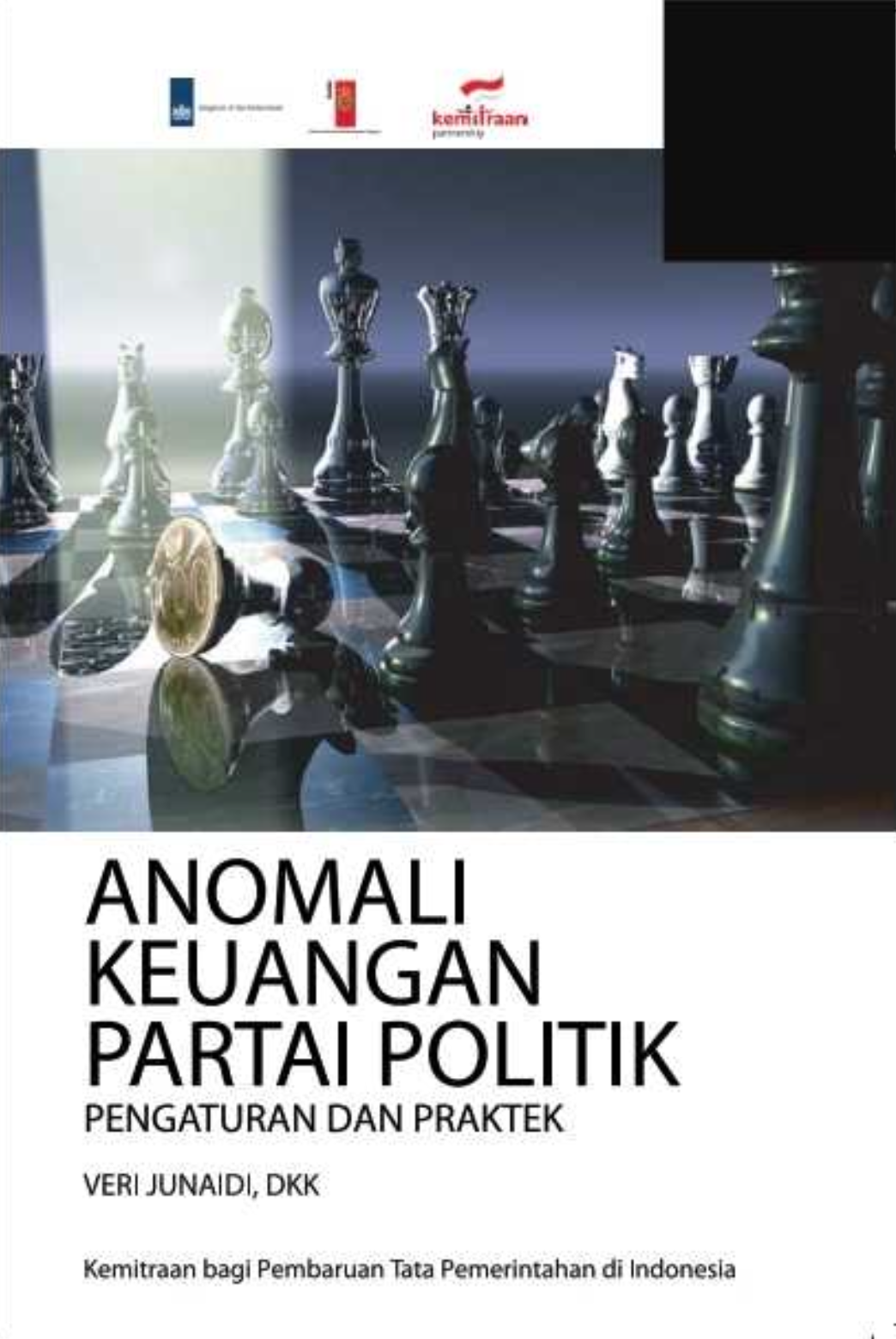
The primary objective of state financial assistance to political parties is to safeguard their independence. When political parties rely heavily…
The application of the parliamentary threshold for elections to the House of Representatives (DPR) as a basis for determining representation…
One of the fundamental requirements of democracy is the existence of a free and fair electoral system. Free and fair…
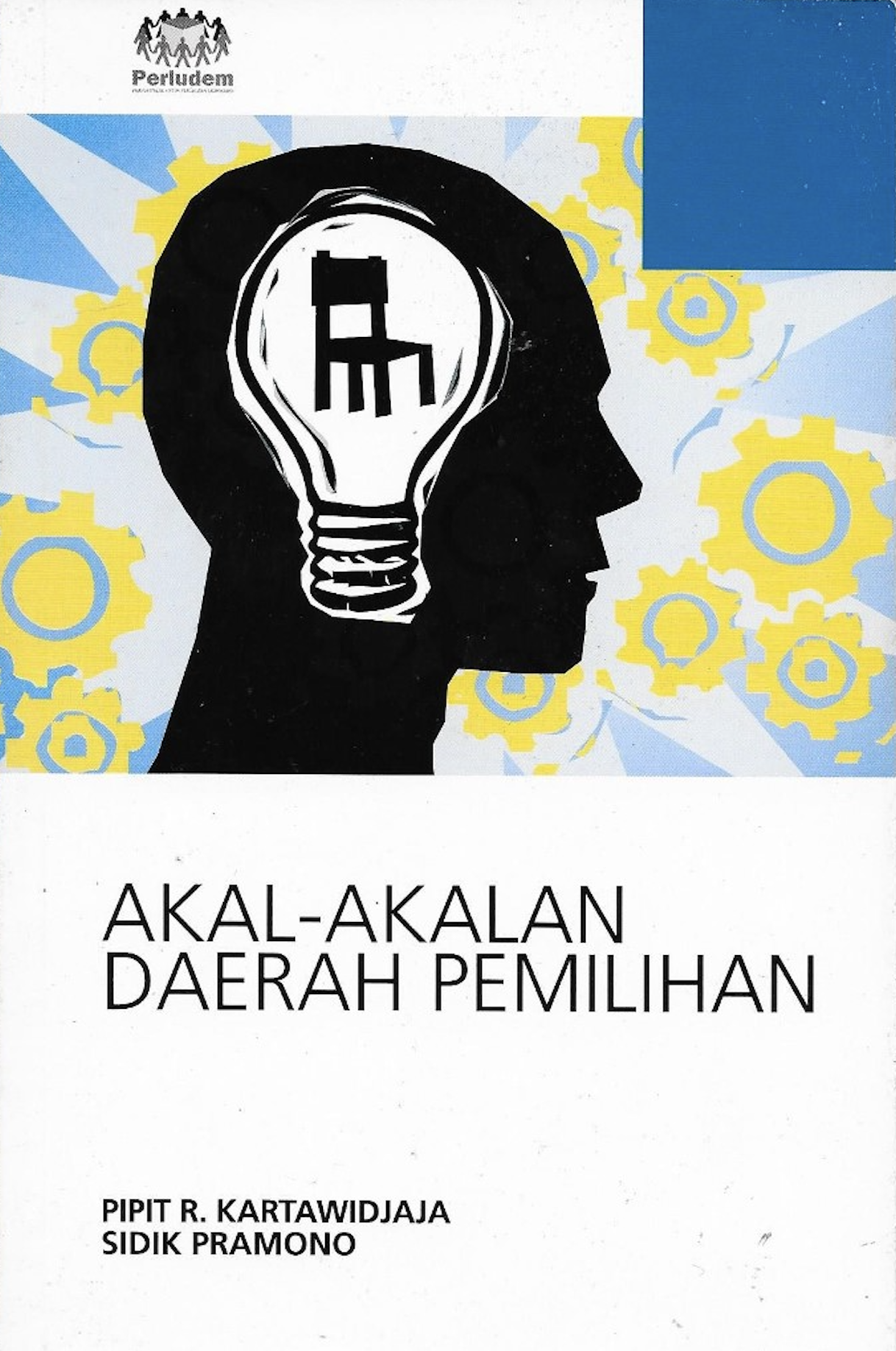
The allocation of seats in the House of Representatives (DPR) among provinces and the delineation of DPR electoral districts for…
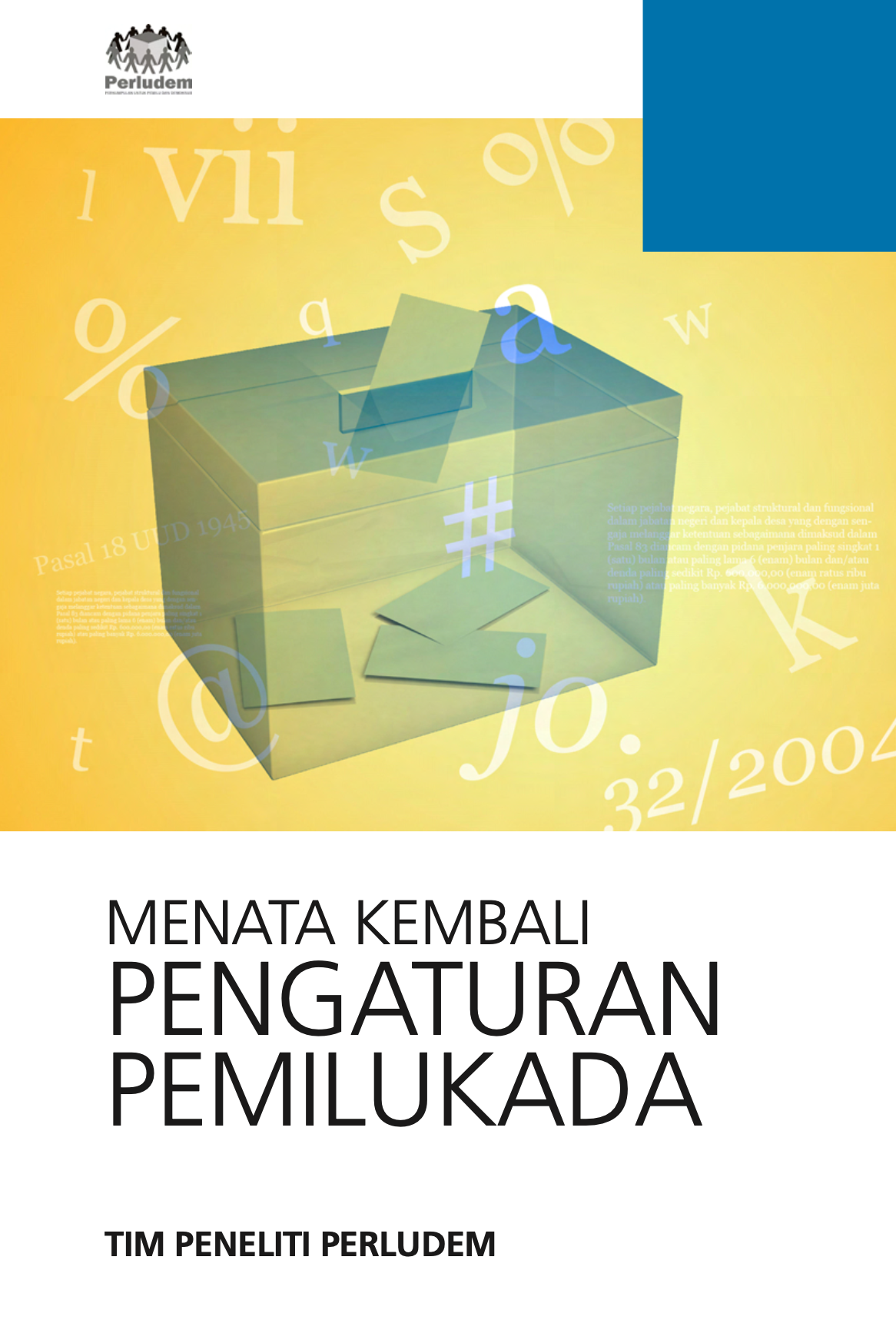
Direct elections for regional heads and deputy regional heads have become an integral part of Indonesia’s democratic development. Democratic consolidation…
Kemitraan, Perludem, Manikaya Kauci Bali, Kopel Makassar, and Kemitraan Integritas Yogyakarta conducted a study on political party finance regulations as…
Discussions about elections often revolve around electoral systems—whether a district-based or proportional representation system is preferable. In reality, however, the…
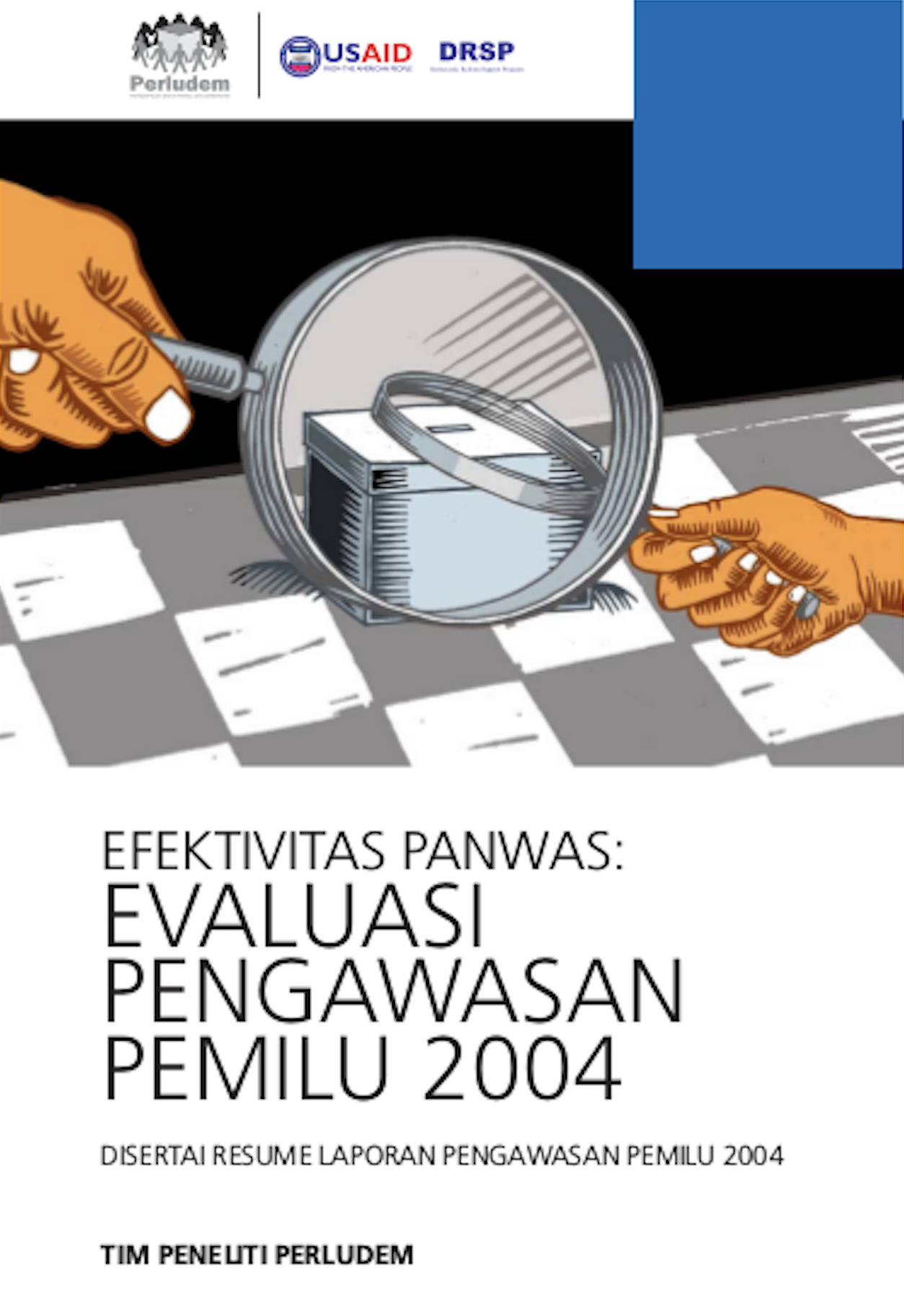
Although Election Supervisory Committees (Panwas Pemilu) have long been an integral part of Indonesia’s electoral administration, their existence has consistently…