The Association for Elections and Democracy (Perludem) continued its assistance to the Jakarta Regional Executive Board of the Indonesian Solidarity Party (DPW PSI Jakarta) in developing internal policies on the prevention and handling of sexual violence within political parties.
Jakarta, July 3, 2026 – Perludem held a second discussion with the Jakarta Regional Executive Board of the Indonesian Solidarity Party (DPW PSI Jakarta) as part of its assistance in developing internal policies on the prevention and handling of sexual violence within political parties. The meeting focused on reviewing the draft Handbook on the Prevention and Handling of Sexual Violence and developing Organizational Guidelines on the Prevention and Handling of Sexual Violence (PPKS) for DPW PSI Jakarta.
This activity followed up on the Workshop on the Prevention and Handling of Sexual Violence in Political Parties previously organized by Perludem, which brought together representatives of national political parties. During the workshop, participants mapped existing internal mechanisms for preventing and responding to sexual violence within political parties. The findings revealed that only one political party had developed a handbook on PPKS, namely DPW PSI Jakarta.
Although DPW PSI Jakarta already had a handbook, it was published in 2021, prior to the enactment of Law No. 12 of 2022 on Sexual Violence Crimes (TPKS Law). In addition, the handbook did not yet address Technology-Facilitated Sexual Violence (TFSV). Therefore, DPW PSI Jakarta expressed its interest in updating the handbook with assistance from Perludem to ensure that its substance and procedures align with the current legal framework, particularly the TPKS Law.
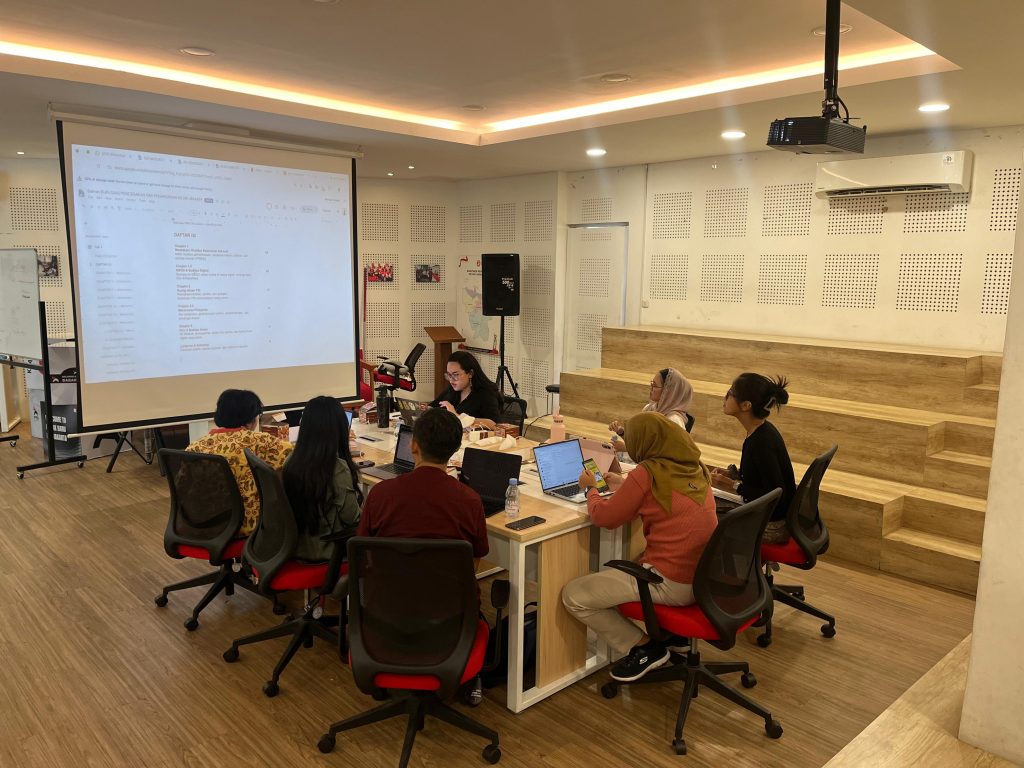
During the meeting, DPW PSI Jakarta also discussed the development of Organizational Guidelines as a more operational internal instrument for preventing and handling sexual violence. The draft Handbook and Organizational Guidelines were prepared by Geraldi Ryan Wibinata, Regional Secretary of DPW PSI Jakarta, together with his team. Participants from DPW PSI Jakarta included Chairperson Elva Farhi Qolbina, Head of Organization, Cadre Development, and Membership (OKK) Allya Natasya Aurora, Deputy Secretary Milen Putira, as well as Nazila Nur Fatiha Sungkar and Ria Syahirah from the PSI Jakarta internship team.
Representing Perludem were researchers Annisa Alfath and Usep Hasan Sadikin. As part of the assistance process, Perludem also involved Mike Verawati, a women’s rights activist and one of the authors of the Handbook on the Prevention and Handling of Sexual Violence in Political Parties, to provide input on strengthening the substance of both the Organizational Guidelines and the handbook being developed by DPW PSI Jakarta.
Much of the discussion focused on the importance of establishing a reporting mechanism that is simple, easy to understand, and accessible to both victims and witnesses. This was considered particularly important because the handbook being updated by DPW PSI Jakarta is intended not only for party members and staff but also for members of the public who interact with the party.
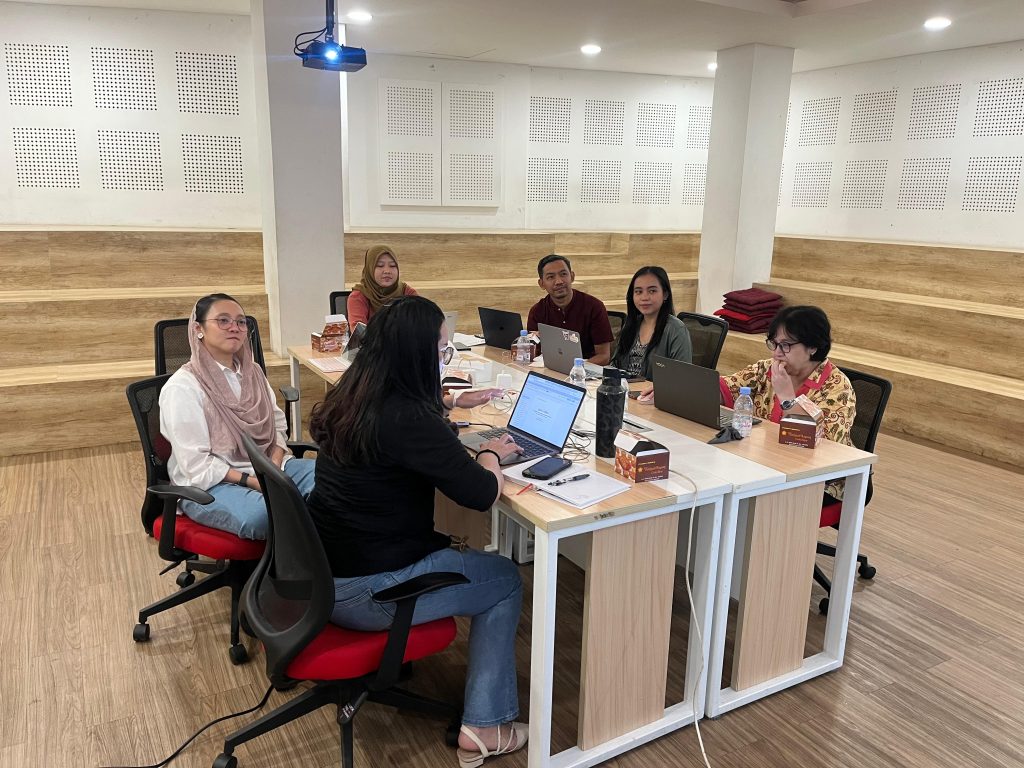
In addition to reporting procedures, participants discussed the composition of the Sexual Violence Prevention and Handling Task Force (Satgas PPKS) and the Fact-Finding Team (TPF). Both bodies were viewed as essential components in ensuring that cases of sexual violence are handled objectively, with a victim-centered approach and clear operational procedures.
The assistance provided to DPW PSI Jakarta forms part of Perludem’s follow-up efforts after the Workshop on the Prevention and Handling of Sexual Violence in Political Parties. Through this initiative, Perludem offers support to political parties seeking to develop internal policies tailored to their organizational needs, whether in the form of standard operating procedures (SOPs), technical regulations, or handbooks on the prevention and handling of sexual violence.
Through this process, Perludem encourages political parties to establish internal mechanisms that are more responsive, accountable, and victim-centered. The adoption of internal PPKS policies within political parties is expected to strengthen a political environment that is safe, inclusive, and free from sexual violence, including technology-facilitated sexual violence, which is becoming increasingly relevant in political activities conducted in digital spaces.
Annisa Alfath
Researcher at the Association for Elections and Democracy (Perludem)