Media Briefing and Civil Society Workshop: Understanding the Mixed Member Proportional Electoral System and Its Simulation Results in Indonesia, Jakarta (23/7)
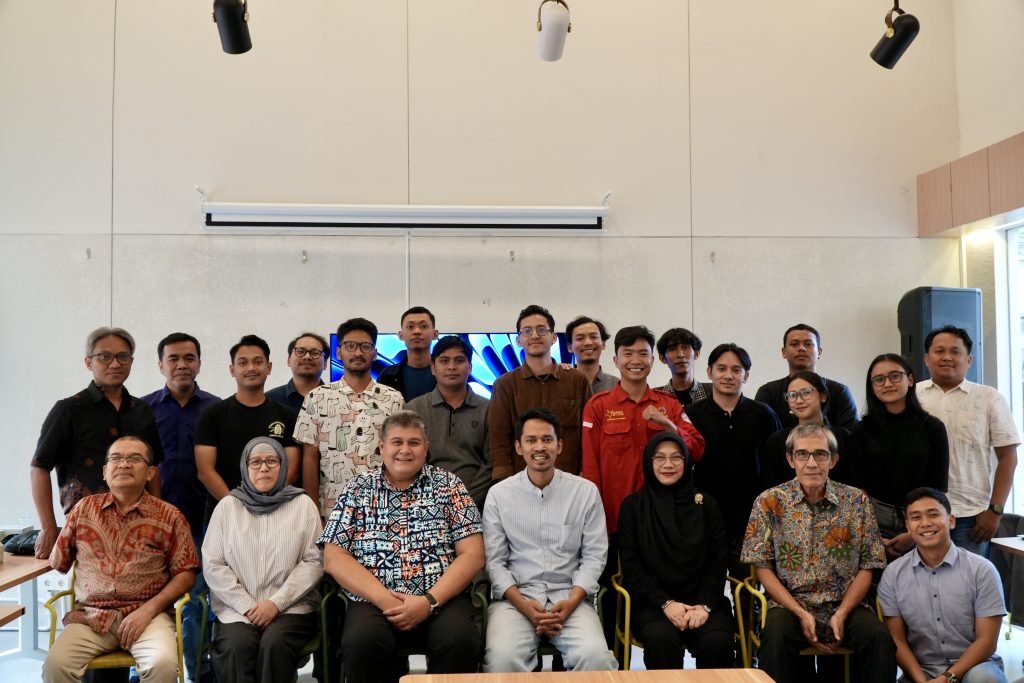
Perludem, in collaboration with International IDEA, held the Media Briefing and Civil Society Workshop: Understanding the Mixed Member Proportional Electoral System and Its Simulation Results in Indonesia at the Indonesia Corruption Watch (ICW) Learning House in Jakarta on 23 July. The event brought together journalists and civil society organizations to deepen their understanding of the Mixed Member Proportional (MMP) electoral system and the findings of its simulation in the Indonesian context.
Perludem Executive Director, Heroik M. Pratama, explained that the simulation presented during the workshop was not intended to predict future election outcomes. Rather, it serves as a technical tool to assess the implications of different electoral system designs using data from Indonesia’s 2024 General Election. According to Heroik, the simulation draws on the experiences of countries that have adopted the Mixed Member Proportional (MMP) system, such as New Zealand and Germany, as a reference for exploring its potential application in Indonesia.
Senior Programme Manager at International IDEA, Adhy Aman, presented an overview of the various electoral systems implemented around the world, highlighting their objectives and key characteristics. He noted that no electoral system is universally perfect, as each country has its own political context and institutional needs. Nevertheless, every electoral system carries measurable consequences for political representation, government stability, and the relationship between voters and their elected representatives.
Perludem researcher Iqbal Kholidin then presented the simulation methodology and findings. The simulation examined several scenarios, including the Parallel and Mixed Member Proportional (MMP) systems, using both national and provincial party lists, as well as different parliamentary threshold options. Overall, the findings indicate that the Parallel system tends to benefit larger political parties, while the MMP system produces a seat distribution that more closely reflects the principle of proportional representation.
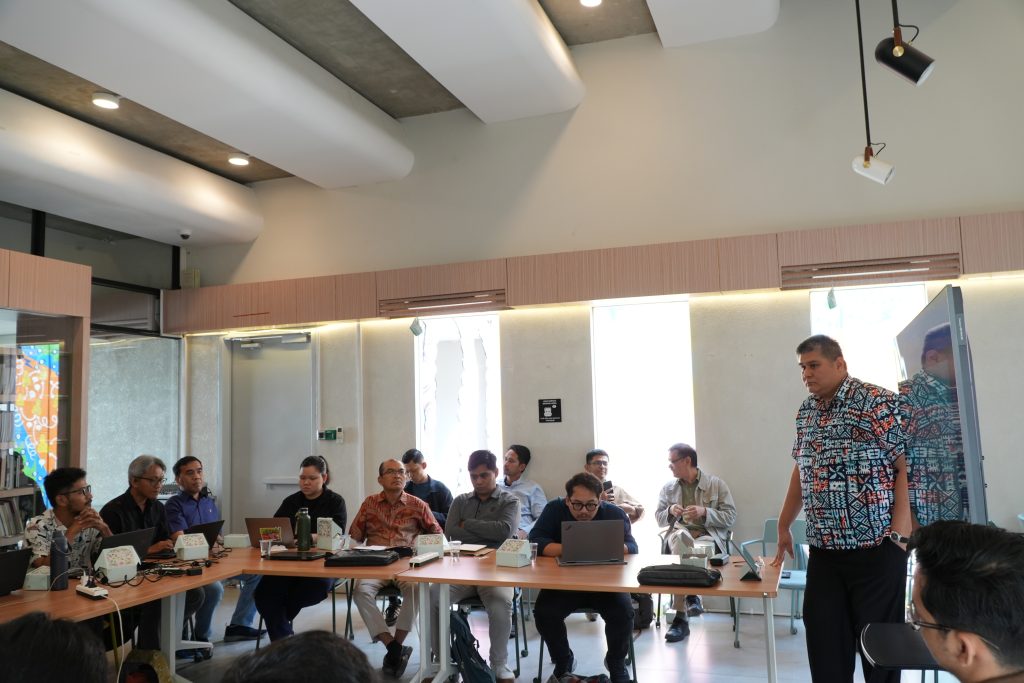
The discussion session was highly interactive, with participants raising a range of issues, including the influence of electoral systems on vote-buying practices, opportunities for the emergence of alternative political parties, the regulation of the parliamentary threshold, and the importance of recalculating electoral district magnitudes.
In his closing remarks, Hadar Nafis Gumay, Executive Director of the Network for Democracy and Electoral Integrity (Netgrit), emphasized that the simulation was not intended to promote a particular electoral system as a solution to all democratic challenges. Instead, he stressed that the simulation should serve as an evidence-based foundation for informed discussions on alternative electoral system designs and their respective implications.
Through this workshop, Perludem and International IDEA hope that journalists and civil society organizations will gain a stronger understanding of the Mixed Member Proportional (MMP) electoral system and its simulation results. This shared understanding is expected to contribute to more informed, evidence-based, and accessible public discussions on electoral system reform in Indonesia.
Ajid Fuad Muzaki
Researcher Association for Elections and Democracy (Perludem)